
Watch YouTube Shorts video on Biological Control of Mealybugs Introduction Mealybugs are among the most destructive and persistent plant pests.…
Watch YouTube video on control of greenhouse whiteflies with beneficial nematodes. Introduction Whiteflies are among the most persistent and destructive…
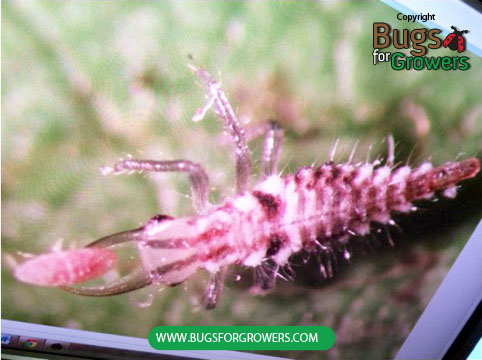
Watch a YouTube shorts Video on Natural Control of Mealybugs Introduction Mealybugs are among the most destructive soft-bodied pests found…
Watch YouTube video on the organic control of Imported Cabbage Worm! Introduction The Imported cabbage worms are among the most…
Watch YouTube Video on the Biological control of Cutworms. Introduction Cutworms are notorious garden and crop pests that can destroy…
Assassin Bug Assassin bugs (Photo 1) are helpful predatory insects that actively track and feed on many common garden pests.…
Watch YouTube video on Biological and Cultural Control of the Mexican Bean Beetles What are the Mexican Bean beetles? The…
YouTube Video on Natural Control of Leaf-footed Bugs Introduction In this blog, we’re exploring the fascinating world of leaf-footed bugs…
Watch following video about pollination by Bumblebees and Honeybees Importance of Pollination Pollination, or cross-pollination, involves the transfer of pollen…
both the nymphs and adults of mantids directly feed on many crop pests like aphids, beetles, crickets, grasshoppers, mites, crane flies, moths, butterflies and their immature stages like larvae, caterpillars, grubs and nymphs, these insects cannot produce future generations of insect pests