
Watch YouTube video on growing peanuts in backyard garden.
Introduction
Have you ever thought about growing your own peanuts at home? Peanuts are fascinating plants that can thrive in a sunny backyard garden, raised bed, or large container. With warm weather, well-drained soil, and a little patience, you can enjoy harvesting fresh peanuts straight from your garden. Peanuts pack protein, healthy unsaturated fats, fiber, vitamins, and minerals beyond their delicious taste. Growing peanuts at home is rewarding and adds variety to your garden. It also helps you learn where your food comes from. In this guide, we’ll explore how to grow peanuts successfully, care for your plants throughout the growing season, harvest your crop, and understand the health benefits of including peanuts in a balanced diet.
Why grow garden peanuts in your backyard?
Peanuts are warm-season legumes that develop underground. Their unusual growing process makes them an exciting addition to a home vegetable garden. Peanuts generally need a long, warm growing season, so choosing the right variety and planting time is essential.
Here are some reasons to consider growing garden peanuts:
- Nutritious harvest: Homegrown organic peanuts provide plant-based protein, fiber, and beneficial unsaturated fats.
- Soil benefits: Like other legumes, peanut plants can work with beneficial soil bacteria to fix atmospheric nitrogen.
- Family-friendly gardening: Watching peanut flowers develop into underground pods can be an educational experience for children.
- Fresh food at home: Harvesting your own organic peanuts gives you greater control over how they are grown, dried, and stored.
1. Choose the right garden peanut seeds
The first step is selecting peanut seeds suited to your climate and growing space. Purchase untreated, raw peanuts intended for planting from a reputable seed supplier. Roasted, salted, or otherwise heat-treated peanuts will not grow at all. For backyard gardening, choose a variety that matches your local growing season. Gardeners in areas with long, hot summers may have more options than those in cooler climates.
The main types of peanuts include:
- Virginia peanuts: Produce relatively large pods and generally need a long growing season.
- Runner peanuts: Commonly grown for commercial peanut butter production and known for their uniform growth.
- Spanish peanuts: Often mature earlier than some other types and have smaller kernels.
- Valencia peanuts: Frequently produce multiple kernels per pod and are known for their sweet flavor.
2. Prepare a sunny garden location
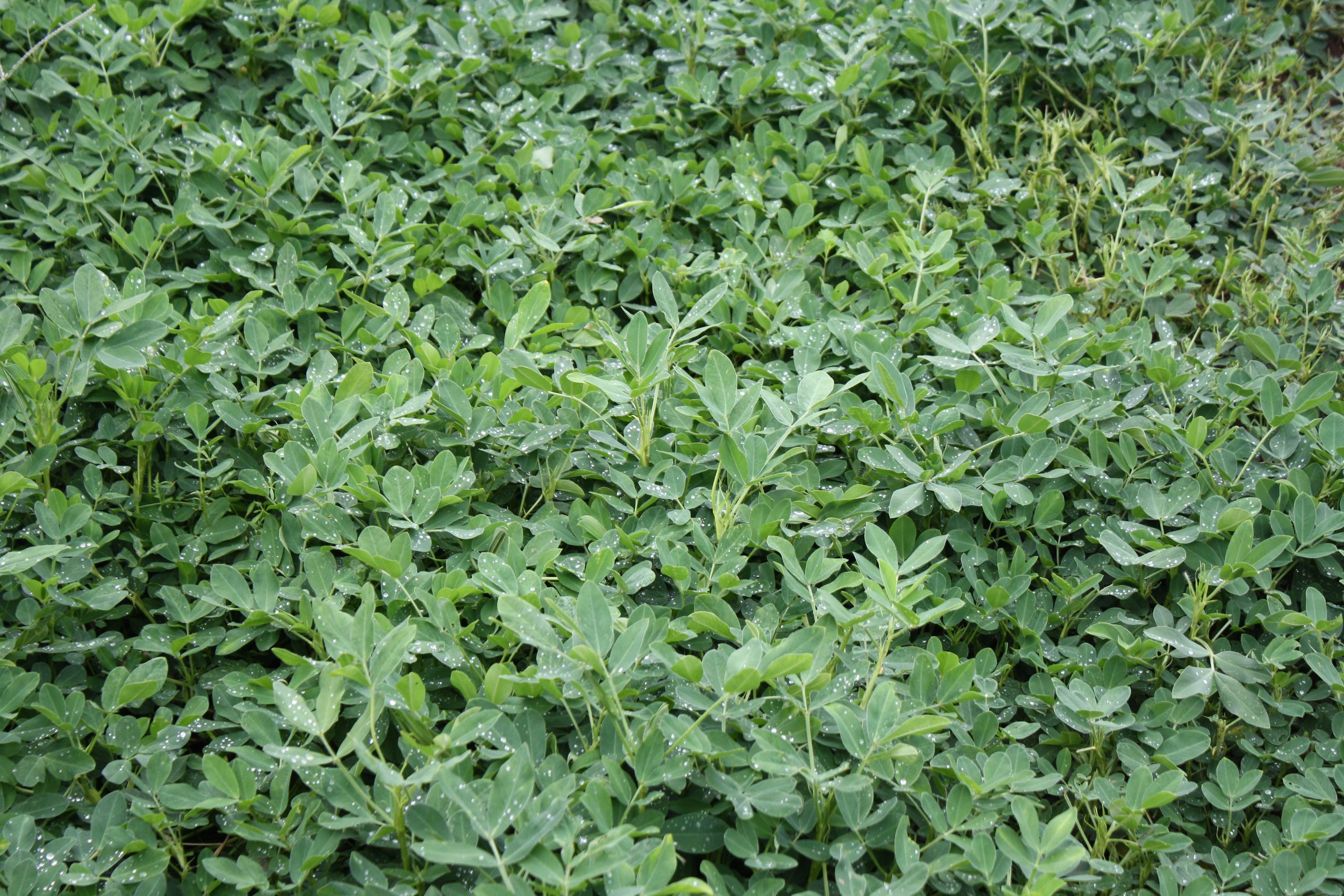
Peanut plants love warmth and sunshine (Photo 1). Choose a garden location that receives at least six to eight hours of direct sunlight each day. The soil is equally important. Peanuts grow best in loose, sandy or sandy-loam soil that drains well. Heavy, compacted soil can make it difficult for developing pods to form and may complicate harvesting.
3. Before planting garden peanuts
- Remove weeds, stones, and debris.
- Loosen the soil to a depth of approximately 8–12 inches.
- Mix in a modest amount of mature compost if the soil needs improvement.
- Check that water drains freely after rain or irrigation.
- Aim for a soil pH of approximately 5.8–6.5, unless your selected variety or local soil recommendations indicate otherwise.
Avoid adding excessive nitrogen fertilizer. Too much nitrogen can encourage leafy growth at the expense of pod development. A soil test can help determine whether additional phosphorus, potassium, or other nutrients are needed.
4. Plant garden peanuts at the right time
Peanuts need warm soil to germinate and grow well. Plant them after the last frost, when the soil temperature is consistently around 65°F (18°C) or warmer and the weather is settled. In warm regions, planting can begin in spring once these conditions are met. In cooler areas, wait until the risk of frost has passed and the soil has warmed sufficiently.
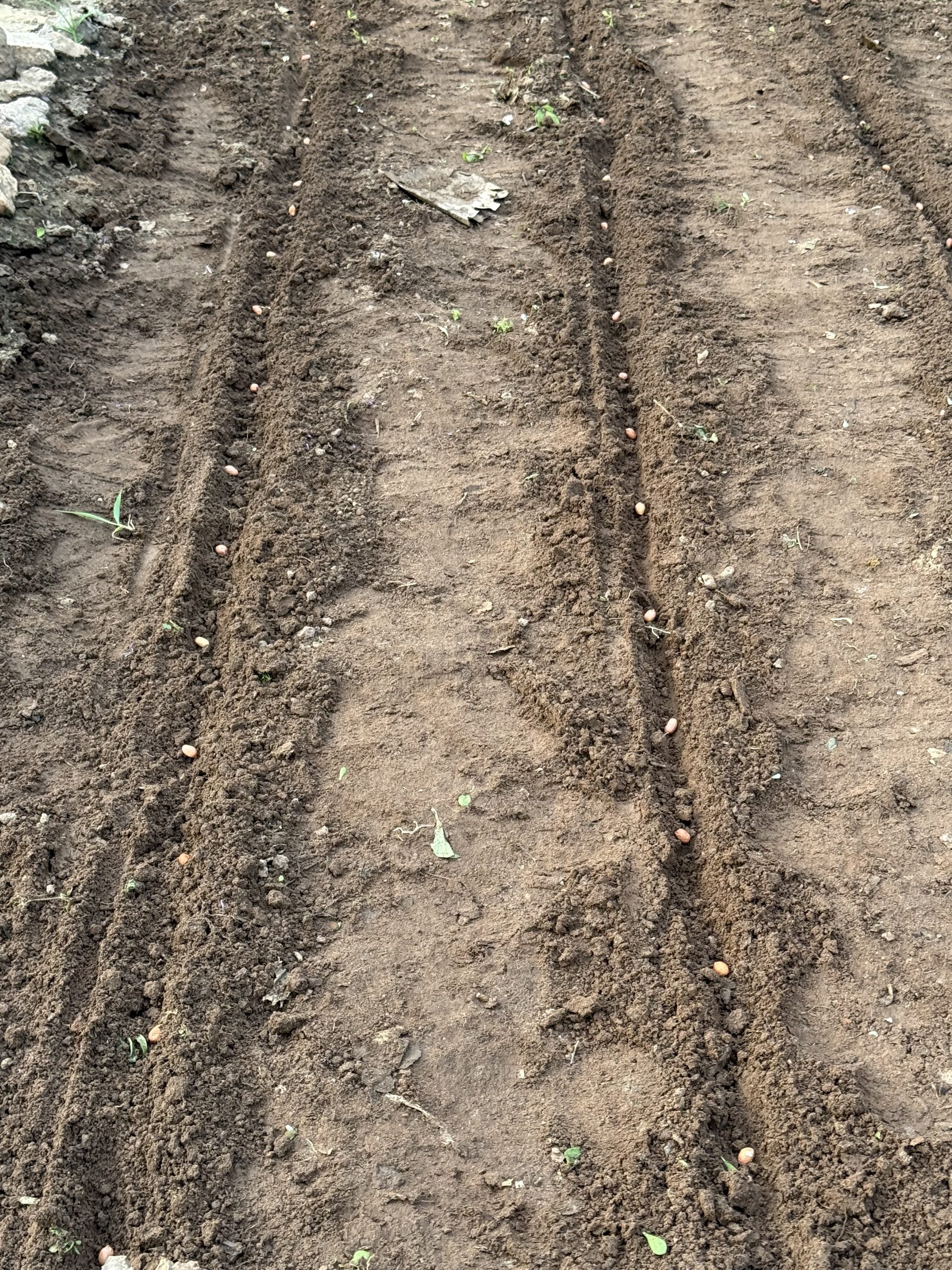
How to plant peanut seeds (Photo 2):
- Shell the peanuts carefully if they are sold in their shells, taking care not to damage the kernels.
- Plant each kernel about 1–2 inches deep.
- Space seeds approximately 4–6 inches apart within rows.
- Leave roughly 24–36 inches between rows, adjusting for the variety and available space.
- Water gently after planting to moisten the soil.
Keep the soil consistently moist but not waterlogged while the seeds germinate. Germination often takes about one to two weeks under favorable conditions. If you’re growing peanuts in containers, choose a wide pot at least 12–18 inches deep with drainage holes and enough surface area for the plants to spread. A loose, well-draining potting mix is preferable to dense garden soil.
5. Watering and caring for peanut plants
Peanut plants need regular moisture, particularly during flowering and pod development. However, overly wet soil can lead to root problems and poor pod growth. As the plants mature, small yellow flowers appear. After pollination, a stalk-like structure called a peg grows downward and enters the soil. The peanut pod then develops underground. This is one of the most interesting features of growing garden peanuts: the flowers appear above ground, but the crop develops below the surface.
Follow these basic care practices:
- Water consistently: Aim for evenly moist soil, adjusting irrigation to rainfall and temperature.
- Water near the soil: Direct water toward the base of the plants when possible.
- Control weeds: Remove weeds while plants are young so they do not compete for sunlight, water, and nutrients.
- Avoid excessive cultivation: Peanut flowers produce slender structures called pegs that grow downward into the soil, where the pods develop.
- Monitor for pests: Check leaves and stems regularly for insect pests, leaf damage, or signs of disease.
6. Fertilizing peanut plants
Peanuts are legumes, which means they can form a partnership with beneficial bacteria that help convert atmospheric nitrogen into a usable form. Because of this ability, peanuts usually do not require heavy nitrogen feeding. Too much nitrogen fertilizer can promote excessive foliage rather than a productive crop. For healthy growth:
- Start with reasonably fertile, well-drained soil.
- Use a soil test to identify nutrient deficiencies.
- Avoid applying fertilizer without knowing whether your soil needs it.
- Ask your local agricultural extension office about suitable peanut inoculates if peanuts have not been grown in the area before.
Calcium is particularly important for peanut pod development because the developing pods absorb calcium directly from the surrounding soil. In some soils, additional calcium may be beneficial, but it should be applied according to soil-test results and local recommendations.
7. How long do peanuts take to grow?
Most peanut varieties need approximately 100–150 days from planting to maturity, although the exact period depends on the variety and growing conditions. During this time, you’ll notice several growth stages:
- Germination: Seedlings emerge from the soil.
- Vegetative growth: Plants develop leaves, stems, and branches.
- Flowering: Small yellow flowers appear.
- Pegging: Pegs grow from pollinated flowers into the soil.
- Pod development: Peanuts form underground.
- Maturity: The kernels and pod interiors develop fully.
Avoid digging around the plants too frequently because disturbing the pegs and developing pods can reduce your harvest. Patience is essential. Even when the plants look healthy above ground, the peanuts may still need several weeks to mature underground.
8. When and How to Harvest Peanuts
Harvesting is one of the most exciting parts of growing peanuts. The best time depends on the variety, planting date, and growing conditions. Signs of maturity include yellowing leaves and changes in the appearance of the pods and their inner surfaces. However, leaf color alone is not a reliable indicator, so inspect a few pods before harvesting the entire crop. Follow these steps to harvest peanuts:
- Loosen the soil around the plant with a garden fork.
- Lift the entire plant gently, taking care not to leave pods behind.
- Shake off excess soil without damaging the pods.
- Check several pods to assess maturity.
- If most pods are mature, harvest the remaining plants.
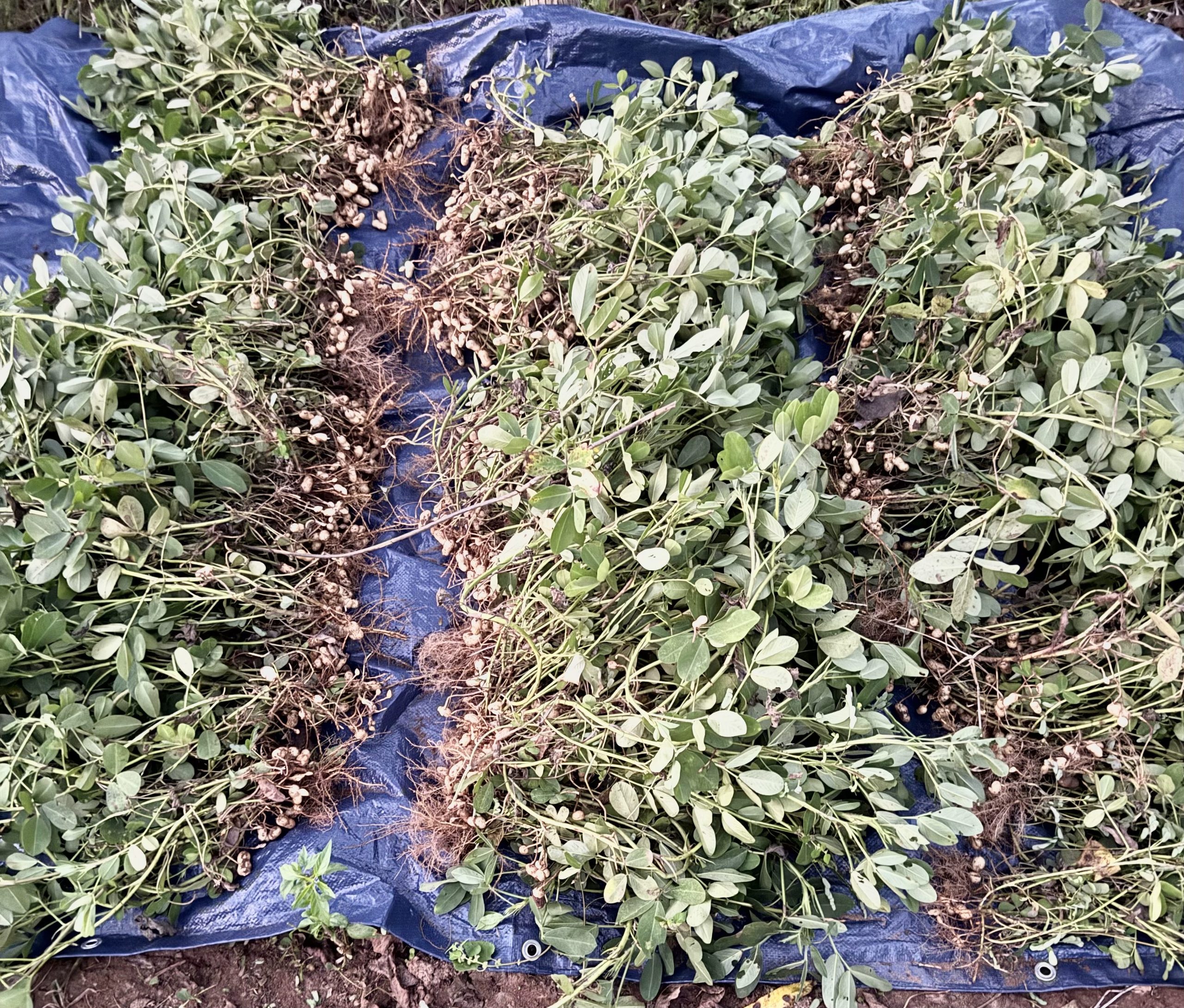
Peanuts are commonly left attached to the plants and cured in a warm (Photo 3), dry, well-ventilated location for approximately two to four weeks, depending on conditions and the curing method. Protect the crop from rain and excessive humidity during drying. Proper curing helps reduce moisture and improves storage quality. Never eat peanuts that show mold, unusual discoloration, or a musty odor. Peanuts can develop antitoxins under certain conditions involving moisture and mold, so careful drying, inspection, and storage are essential. Once properly cured, remove the pods from the plants and store them in a clean, dry, airtight container in a cool location. Refrigeration or freezing can help preserve quality for longer storage.
9. Health benefits of peanuts
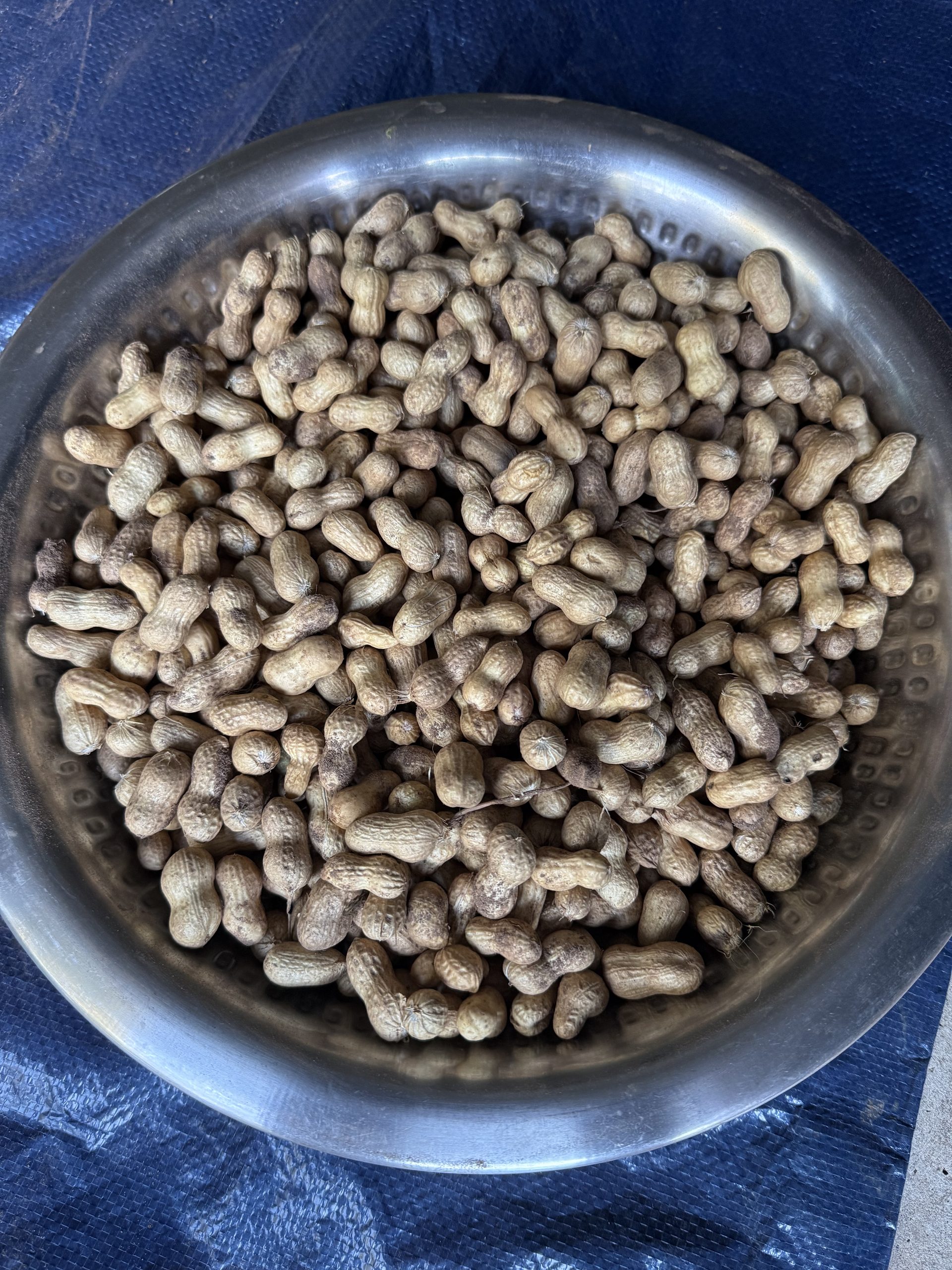
Peanuts are more than a tasty garden harvest (Photo 4). They contain several nutrients that support overall health when eaten as part of a balanced diet.
Rich in plant-based protein: Peanuts provide substantial plant-based protein, making them useful for people who want to include more plant foods in their meals. Protein contributes to muscle maintenance, tissue repair, and the normal functioning of the body. Enjoy peanuts as a snack, add chopped peanuts to salads, or blend peanut butter into oatmeal or smoothies.
Provide heart-friendly unsaturated fats: Peanuts contain predominantly unsaturated fats, including monounsaturated and polyunsaturated fatty acids. Replacing some saturated fats in the diet with unsaturated fats can help improve blood cholesterol levels and support cardiovascular health. For everyday eating, choose plain or lightly salted peanuts more often than heavily salted or sugar-coated varieties.
Support digestive health: Peanuts contain dietary fiber, which contributes to healthy digestion and helps support regular bowel movements. Fiber-rich foods can also contribute to fullness, making peanuts a satisfying addition to balanced meals and snacks. Pair a small serving of peanuts with fruit for a convenient snack containing fiber, healthy fats, and protein.
Supply important vitamins and minerals: Peanuts contain several essential nutrients, including:
- Vitamin E: An antioxidant that helps protect cells from oxidative damage.
- Niacin (vitamin B3): Supports energy metabolism and normal nervous system function.
- Folate: Helps the body produce DNA and form healthy cells.
- Magnesium: Contributes to muscle and nerve function and bone health.
- Phosphorus: Helps maintain bones and teeth and supports energy production.
- Copper and manganese: Participate in various metabolic and antioxidant processes.
The amount of each nutrient varies with serving size and preparation method.
Contain antioxidant compounds: Peanuts contain vitamin E and plant compounds that contribute to their antioxidant activity. Antioxidants help protect cells from damage caused by free radicals. However, peanuts should be viewed as one component of a varied, nutrient-rich diet rather than a treatment for any specific disease.
May help you feel full longer: The combination of protein, fat, and fiber makes peanuts a filling food. A moderate serving can help satisfy hunger between meals. Although peanuts are energy-dense, they can fit into a balanced eating pattern when portion sizes are considered. A serving of about 1 ounce (28 grams) of peanuts provides roughly 160–170 calories, depending on the variety and preparation.
May support healthy blood sugar management: Peanuts contain relatively little carbohydrate compared with many snack foods, along with protein, fiber, and unsaturated fats. These nutrients can make peanuts a useful snack option for many people seeking balanced meals. Nevertheless, individual responses vary, and peanuts are not a substitute for prescribed diabetes treatment or personalized dietary advice.
Important allergy note: Peanuts are a major food allergen and can cause severe, potentially life-threatening allergic reactions. Anyone with a peanut allergy should avoid peanuts and follow their healthcare professional’s guidance.
9. Delicious ways to enjoy homegrown peanuts
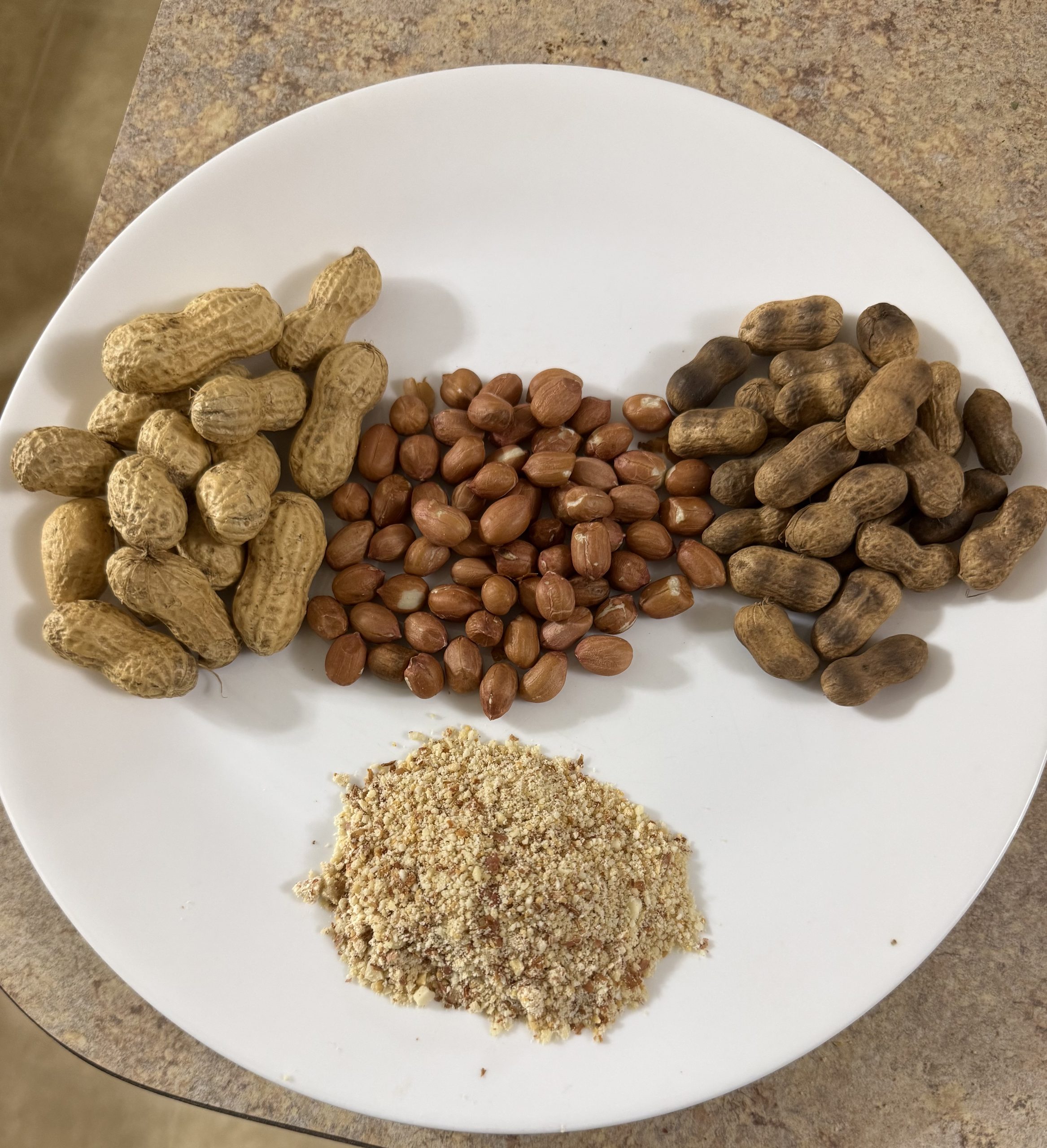
Once your peanuts are harvested, properly cured, and inspected, there are plenty of ways to enjoy them. For the best flavor and texture, use peanuts that have been thoroughly dried and stored correctly. Here are a few ideas (Photo 5):
- Roasted peanuts: Roast properly dried peanuts using a reliable recipe and suitable temperature.
- Homemade peanut butter: Blend roasted, cooled peanuts until smooth or chunky.
- Peanut-topped salads: Add chopped peanuts for crunch and extra protein.
- Nutritious trail mix: Combine peanuts with seeds and dried fruit.
- Peanut sauces: Use ground peanuts in savory sauces for vegetables, noodles, or other dishes.
- Breakfast toppings: Sprinkle chopped peanuts over oatmeal or yogurt.
10. Common problems when growing peanuts
Even easy-to-grow crops can experience problems. Knowing what to watch for can help protect your harvest.
Poor germination: Soil that is too cold, waterlogged, or excessively dry can interfere with germination. Plant when the soil is warm and maintain suitable moisture.
Yellowing leaves: This can result from several causes, including nutrient deficiencies, water stress, root problems, or disease. Check soil moisture and consider a soil test before applying fertilizer.
Few or small pods: A short growing season, poor pollination, unsuitable soil, or inadequate moisture during pod development can limit production. Choose an adapted variety and provide enough time for maturity.
Difficulty harvesting: Dense or compacted soil can make it hard for pegs and pods to develop and can make digging more difficult. Loose, well-drained soil helps.
Moldy peanuts: Excessive moisture during maturation, curing, or storage can encourage mold and potentially dangerous aflatoxin contamination. Dry and store peanuts carefully, and discard suspect pods.
11. Tips for growing peanuts successfully in small spaces
You don’t need a large farm to experiment with peanuts. With the right setup, a backyard bed or spacious container can work well.
- Choose a sunny spot with warm soil.
- Select an early-maturing variety if your growing season is limited.
- Use wide containers rather than narrow, shallow pots.
- Ensure that containers have excellent drainage.
- Keep the soil evenly moist without allowing it to become waterlogged.
- Avoid disturbing the soil around developing pegs and pods.
- Keep notes on planting dates, flowering, and harvest timing to improve next year’s crop.
If you garden in a region with hot summers, peanuts can be a fun warm-season crop to try alongside beans, okra, peppers, and other heat-loving plants.
Conclusions
Growing peanuts in your backyard garden is a rewarding way to explore an unusual crop and enjoy a nutritious harvest. With warm soil, plenty of sunlight, regular watering, and patience, you can watch peanut plants flower above ground and develop their pods beneath the soil. Beyond gardening, peanuts offer valuable protein, healthy fats, fiber, vitamins, minerals, and antioxidant compounds. They can be enjoyed in many different ways as part of a balanced diet. Start with a small garden bed or a spacious container, select a suitable peanut variety, and give your plants the care they need throughout the growing season. Your first homegrown peanut harvest could be the beginning of a new favorite gardening project!