
Watch YouTube Video on Planting Organic Garlic!
Introduction
Do you want to grow fresh, flavorful garlic in your backyard organic garden? October and November are excellent months to plant garlic in many parts of the United States. Planting garlic in fall gives the cloves time to develop roots before winter and produce large bulbs for harvesting in late spring or early summer, depending on the variety and local climate.
Six simple steps to grow organic garlic
1. Choose healthy garlic cloves
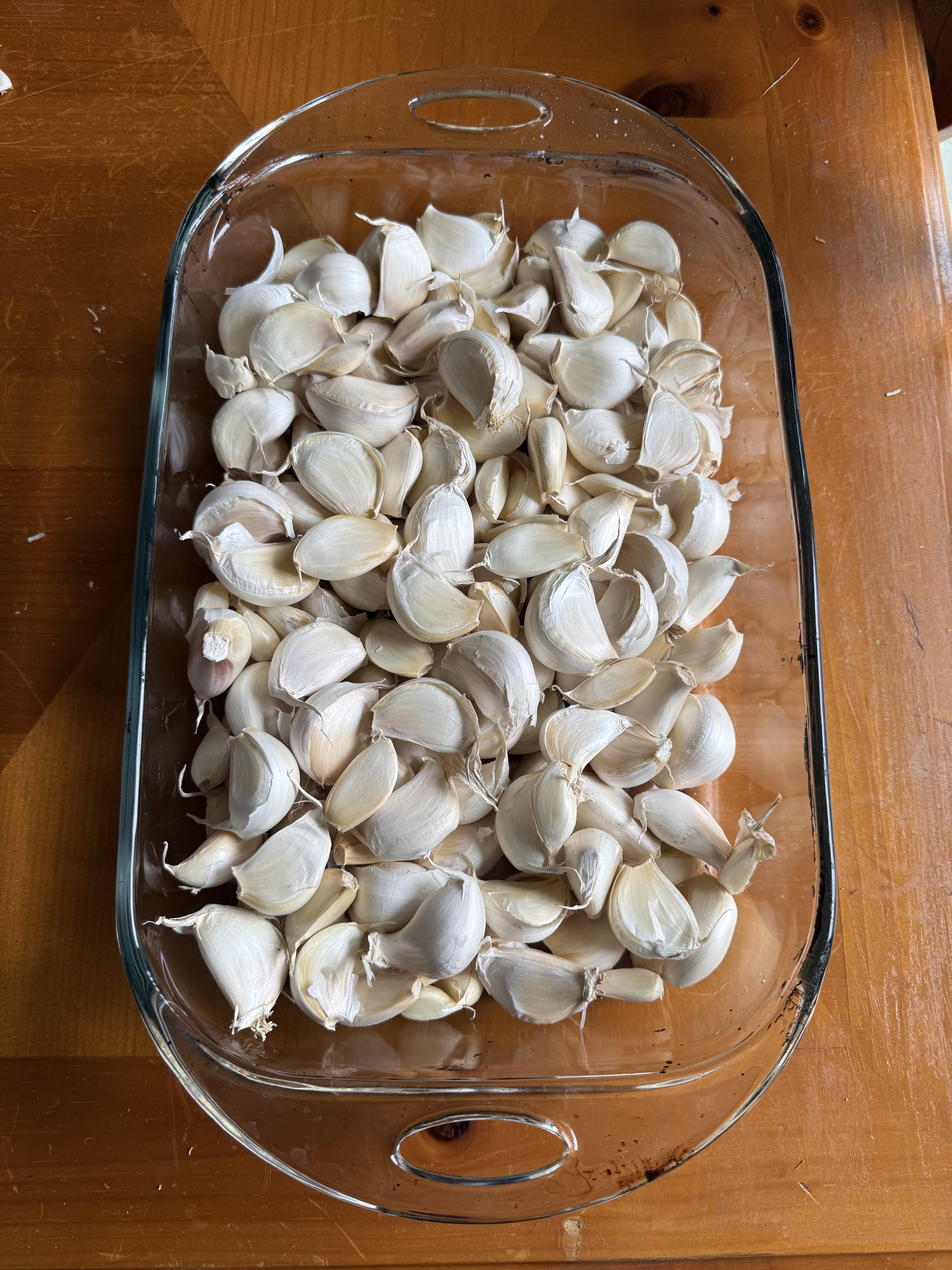
Select healthy, firm garlic bulbs suitable for planting. Separate each bulb into individual cloves (Photo 1), keeping the papery skin intact. Choose large, healthy cloves for planting, as they often produce larger bulbs. For the best results, purchase planting garlic from a reputable garden center or seed supplier.
2. Select a sunny location
Garlic grows best in a sunny location with fertile and well-drained soil. Choose a garden bed that receives at least six hours of direct sunlight daily. Before planting, mix compost into the soil to improve soil structure and provide nutrients that support healthy plant growth.
3. Plant garlic cloves correctly
Plant each garlic clove about two inches deep, with the pointed end facing upward. Space cloves approximately four to six inches apart to give developing bulbs enough room to grow. If planting several rows, leave enough space between rows for convenient watering, weeding, and other garden activities.
4. Water and mulch your garlic
Water thoroughly after planting. Keep the soil consistently moist but not waterlogged, because excessively wet soil can cause garlic cloves to rot. Apply a layer of straw or leaf mulch over the planting bed. Mulch helps conserve soil moisture, suppress weeds, and protect plants from temperature fluctuations during winter.
5. Care for garlic during spring
As temperatures warm in spring, garlic resumes active growth and develops its bulbs. Continue watering when rainfall is insufficient, and remove weeds that compete with garlic for water and nutrients. Avoid excessive watering as the bulbs approach maturity. Proper drainage and appropriate watering help reduce the risk of bulb rot.
6. How do you know when garlic is ready to harvest?
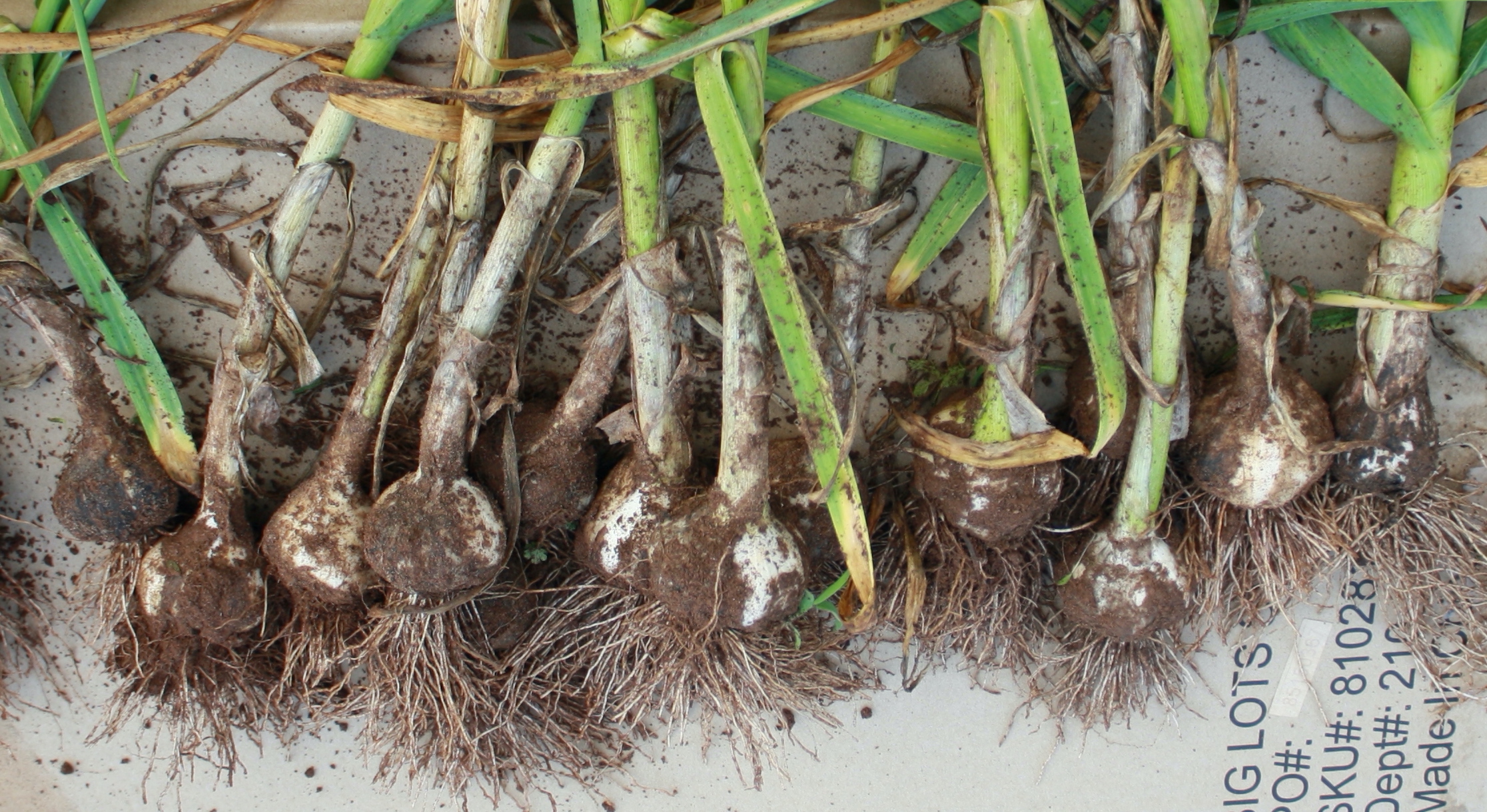
Knowing when to harvest garlic is essential for producing healthy, well-developed bulbs (Photo 2) that store well. Look for these signs of maturity:
- Lower leaves turn brown: The lower leaves begin to dry and turn brown while several upper leaves remain green.
- Leaves gradually die back: As the plant matures, more leaves turn yellow or brown. This is a natural sign that the garlic bulb is approaching maturity.
- Bulbs are well developed: Carefully dig up one test plant to check whether the bulb has formed distinct cloves and developed a good size.
When should you harvest?
Organic garlic planted in fall is commonly harvested in late spring or early summer, depending on the variety, planting date, and local growing conditions. Do not wait until all the leaves have turned brown and dried out. The leaves help form the protective layers around the bulb, and waiting too long can cause the bulbs to separate or become more difficult to store. After harvesting, gently remove excess soil without washing the bulbs. Cure them in a dry, shaded, well-ventilated location for several weeks before trimming the tops and roots and storing them.
Conclusion
Growing organic garlic at home is a rewarding way to enjoy fresh flavor straight from your garden. With healthy cloves, sunny conditions, compost-enriched soil, proper watering, and a layer of mulch, you can give your garlic crop an excellent start. Don’t wait! plant your garlic this October or November, and look forward to harvesting your own flavorful garlic next year!